You’ve been in your role a few months or even years. It’s going fine, and you like working in the public sector, but you want it to feel more than just “fine”. For your work to feel easier and less like pushing boulders uphill. To be able to adjust or change your work so it’s more meaningful, without changing job or organisation. To have more energy at work.
Work in the New Zealand public sector can definitely be challenging. There are lots of options for gaining support and helping you grow and develop, and coaching’s one of them.
You’ve heard about workplace coaching but you’re not sure. You’re not even sure what it is exactly!
To help, I'm going to spend this post answering common questions about coaching. No hard-sell, just honest answers for you to ponder.
What kind of people get coaching?
Do you have to be struggling badly?
No. Coaching is for anyone who is wrestling with a challenge, at a crossroads, or stuck. For anyone who needs a real person to bounce their ideas off, to ask their deep questions to, and to encourage them as they try something new. They’re stable emotionally, but need clarity, extra confidence and help figuring out a solution.
Importantly, if someone was in emotional distress, I would encourage them to check in with their doctor, a counsellor or clinical psychologist, rather than a coach.
Is coaching just for senior people like managers and leaders?
Not at all, although it would be easy to get that impression. There are a lot of coaches who specialise in leadership and executive managers.
Having a session or several sessions with a coach can grow your capability, improve your feelings about a situation and help you reach a goal. If you do that when you’re still an analyst or senior advisor or principal (or another title entirely), you’ll be increasing the benefit coaching can have in your career.
How much time does coaching take?
How long does coaching take?
This depends on the sort of work challenge you’re wanting to solve, and the coach you book and what they offer.
Most coaching sessions last 50-60 minutes, although they can be shorter or longer. At a push, you can fit a session into your lunchtime.
If your coaching is around one defined topic or issue, you might just see your coach for one session. However, if you are keen to make progress with a more significant challenge at work, you may find it valuable to have two or more sessions of personalised coaching over the course of a couple of months.
What actually is coaching?
What does a coach do?
There are many definitions of coaching. This one from my initial coaching training has stuck with me: ‘Coaching is not telling people what to do, it’s giving them a chance to examine what they are doing in light of their intentions.’ In a nutshell, coaches partner with other people to help them succeed.
A big part of a coach’s role is listening, and reflecting back to the client what they’re hearing. They will ask clarifying questions and may share their own insights. Coaches don’t usually advise, but they may gently challenge their client to think about something differently or try something new. They validate, support, and encourage.

What is coaching vs counselling or training?
Coaching, including workplace coaching, is mostly a 1:1 conversation as with most counselling. The starting point for a coaching client, however, is one of general emotional stability, even though they have a challenge and a desire to grow they want help with.
In counselling or therapy, on the other hand, a client is likely to present at their session with a degree of emotional distress, needing help to resolve something difficult and to recover from it.
Training is different again. Often undertaken in groups, training is a process by which a trainer passes on knowledge to participants or skills they need to develop. Although there is mutual goodwill and sharing of experiences during training, there isn’t the ‘partnering’ that is at the core of coaching.
What actually happens in a coaching session?
Coaching begins with getting to know each other. To partner together to explore your challenge/s and help you identify solutions or grow in confidence (for example), there needs to be a base level of trust and familiarity.
Near the beginning, there will also be a discussion of what your goals are as a client – what you are hoping to come out of the coaching with. It could be an affective change (in your attitude, feelings, motivation), or learning new skills to help you achieve something at work, or something else. Identifying goals enables you to track progress and know when you’ve achieved success.
The main coaching conversation has several parts, with the coach asking questions to help you describe and clarify what’s happening, what you’d like to be different, to identify what the options might be for improving the situation, and make a plan for and commitment to action.
What is the value of coaching and the evidence behind it?
What advantages do coaches bring?
The advantages that coaches bring you include:
a dedicated space to get to grips with a challenge, to talk about why it matters and how to solve it, away from the busyness and competing priorities of the work day
help to come to a more clear and nuanced understanding of your issue, and grow your confidence to take action
a sounding board, and an objective view
personalised feedback, encouragement, validation and other support
the self-awareness and knowledge, understandings and skills to help you set goals, take action and reach your personal or professional potential.
Does coaching actually work?
Yes, coaching works. We know from a 2023 meta-analysis of previous coaching meta-analyses and studies that it has a positive effect for clients, whether the intended outcome is affective (attitude, motivation, emotion), or skill-related. https://www.frontiersin.org/journals/psychology/articles/10.3389/fpsyg.2023.1204166/full
Is it worth the money?
Yes, it is worth the money. However, each coach will set their prices slightly differently, so I’m generalising.
If we consider, though, that coaching can provide the understanding of yourself, the clarity on your situation, and the direction in which to take action to help you achieve your work goals over the medium- and even long-term, it’s a good expenditure of time and money.
Thinking of coaching like getting a personal trainer is a useful analogy. You may not need more than a few sessions, but their personalised help and professional expertise can set you up for success now and later, in a way that googling or prompting an AI chatbot for answers cannot.

Can I trust you?
Will what I say remain confidential?
Yes, absolutely. Trust and confidence within the coaching partnership is crucial to having open and valuable conversations - for both the client and coach.
Who are you? What experience do you have?
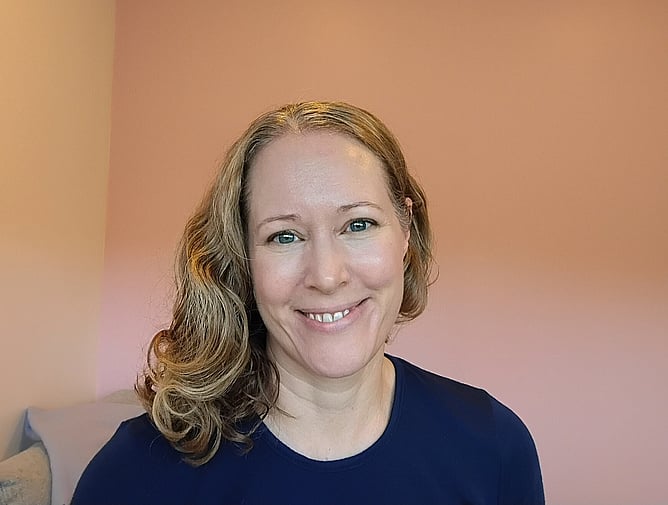
My name is Marie-Louise Siddle. I specialise in coaching women in the New Zealand public sector, after working across the public sector myself for 20 years – as a policy analyst and senior analyst, consultant in the strategy space, and principal advisor in performance, planning and reporting.
I’ve been there, pushing the boulder uphill, feeling that even though I was committed, skilled, and experienced, I wasn’t making the difference I wanted to.
So, still wanting to contribute in some way to the important work the public sector does, and knowing the public sector work stress data, I established my own coaching business. It intertwines my public sector experience, skills and knowledge, with my previous career as a teacher and experiences coaching and mentoring.
I also earned a Master of Public Management from Te Herenga Waka/Victoria University of Wellington (with Distinction) to deepen my understanding of how the public sector operates, which included a focus on strategic HR and people management.
I am currently working towards certification as a coach, to build on my initial coaching training with the New Zealand Coaching & Mentoring Centre. And I've built experience in coaching and mentoring from the many coaching and mentoring opportunities I had the privilege of during my public sector career.
What if I still have questions?
That's a completely normal place to be. And you don't have to have it all figured out. The best way to feel sure is a conversation, not forcing yourself into a decision. How about getting in touch and we'll talk it through? You can find me at marie-louise@fireflycoaching.nz or send me a DM on LinkedIn at www.linkedin.com/in/marie-louise-siddle.